Example: Format Size Comparison
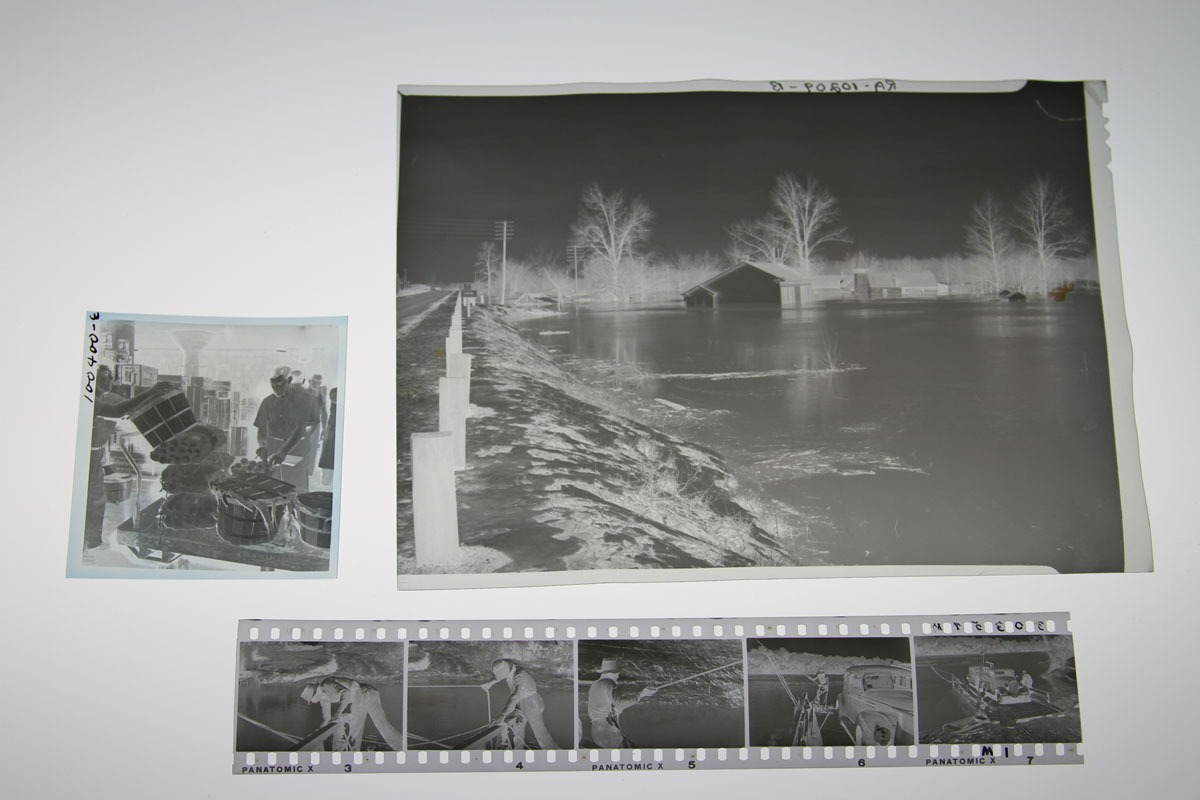
The physical size of the film negative or digital sensor fundamentally dictates the look, feel, and working process of the resulting photograph. Photographers often choose their format based on the level of clarity, flexibility, and psychological engagement they want with their subjects.
The smallest widely adopted analog format fundamentally changed the speed and portability of photography.
35mm Film: A small, highly portable film format originally established for cinema but adapted for rapid, candid still photography.
Medium format offers a physically larger negative than 35mm, providing greater resolution while still maintaining a degree of handheld portability. It requires less technical setup than large format.
Toy Cameras: Inexpensive plastic cameras (such as the Holga and Diana) that shoot medium format film.
Light Leaks: Distinctive, unpredictable streaks of light that mark the film because a camera’s plastic body is imperfect and allows outside light to seep in.
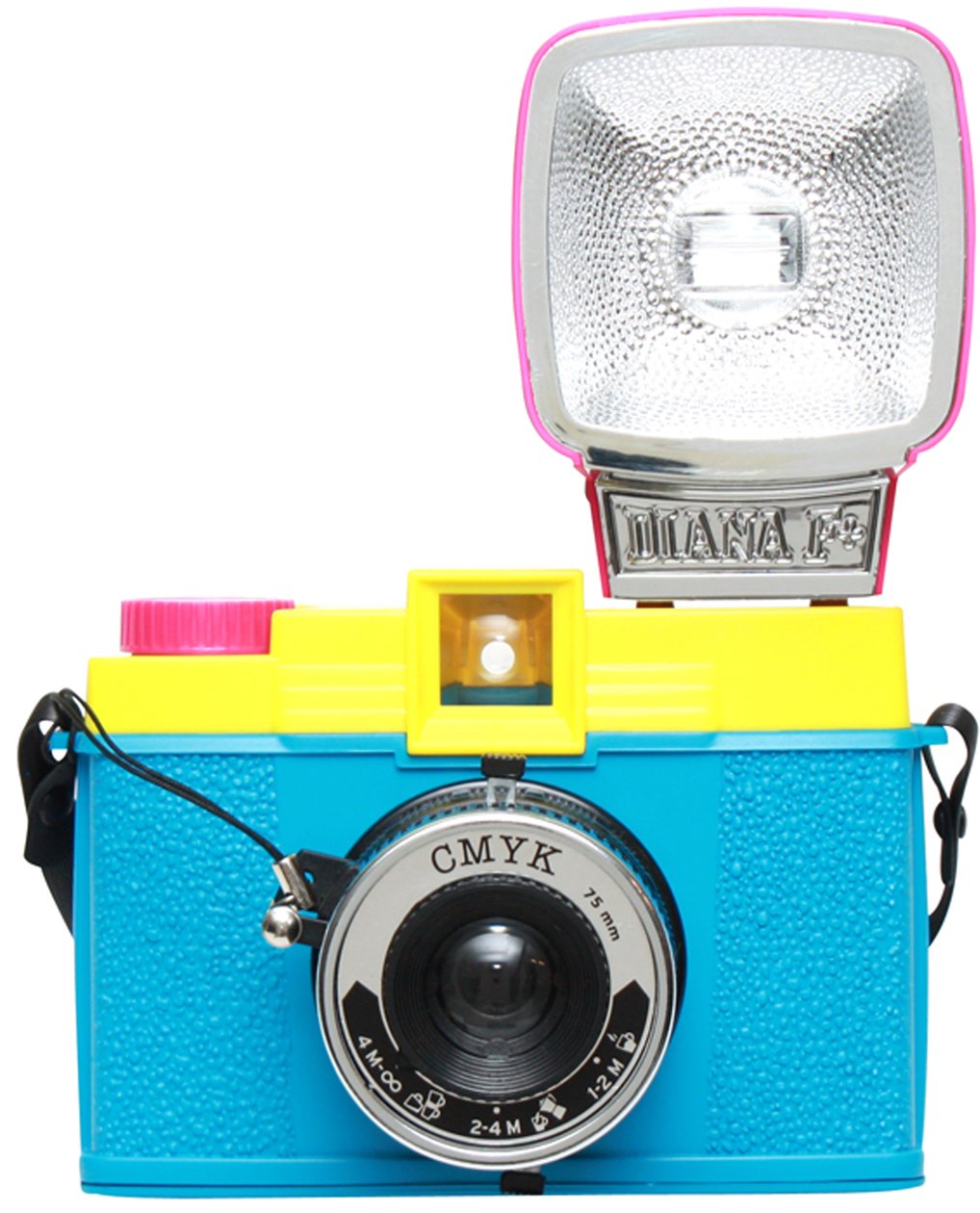
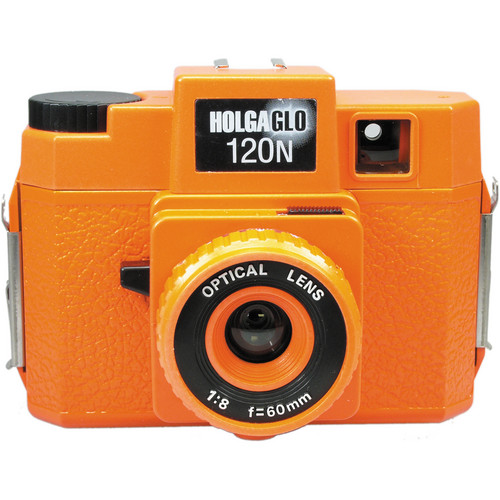
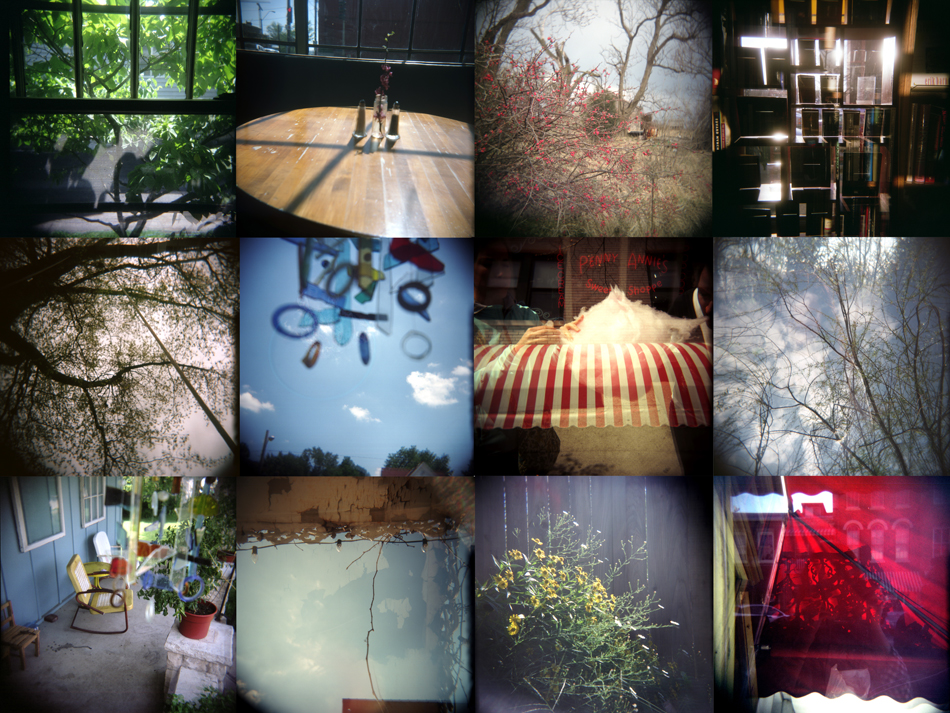
Photographers utilize the square framing and deliberate pace of medium format for both street and fine art applications.
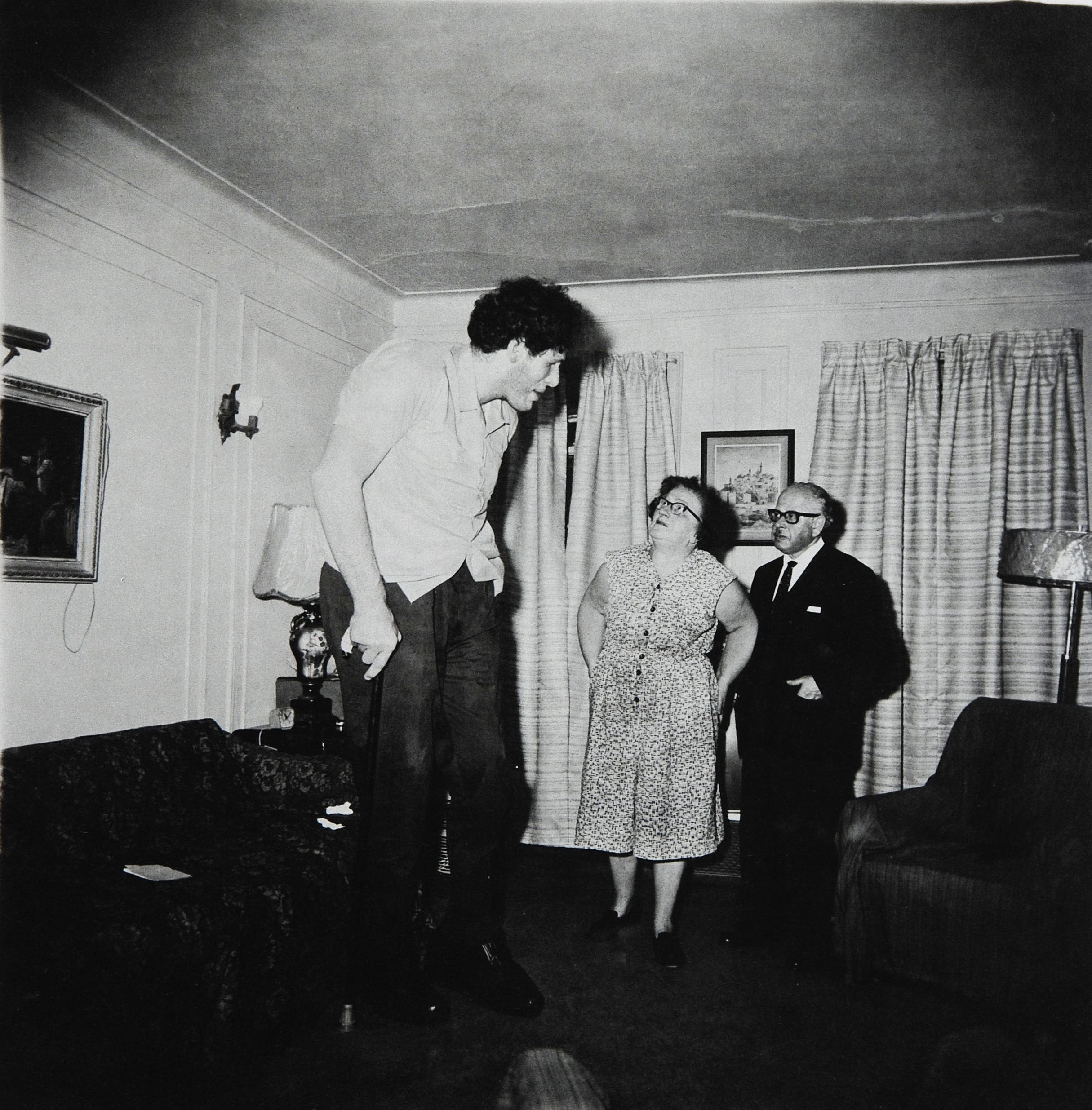
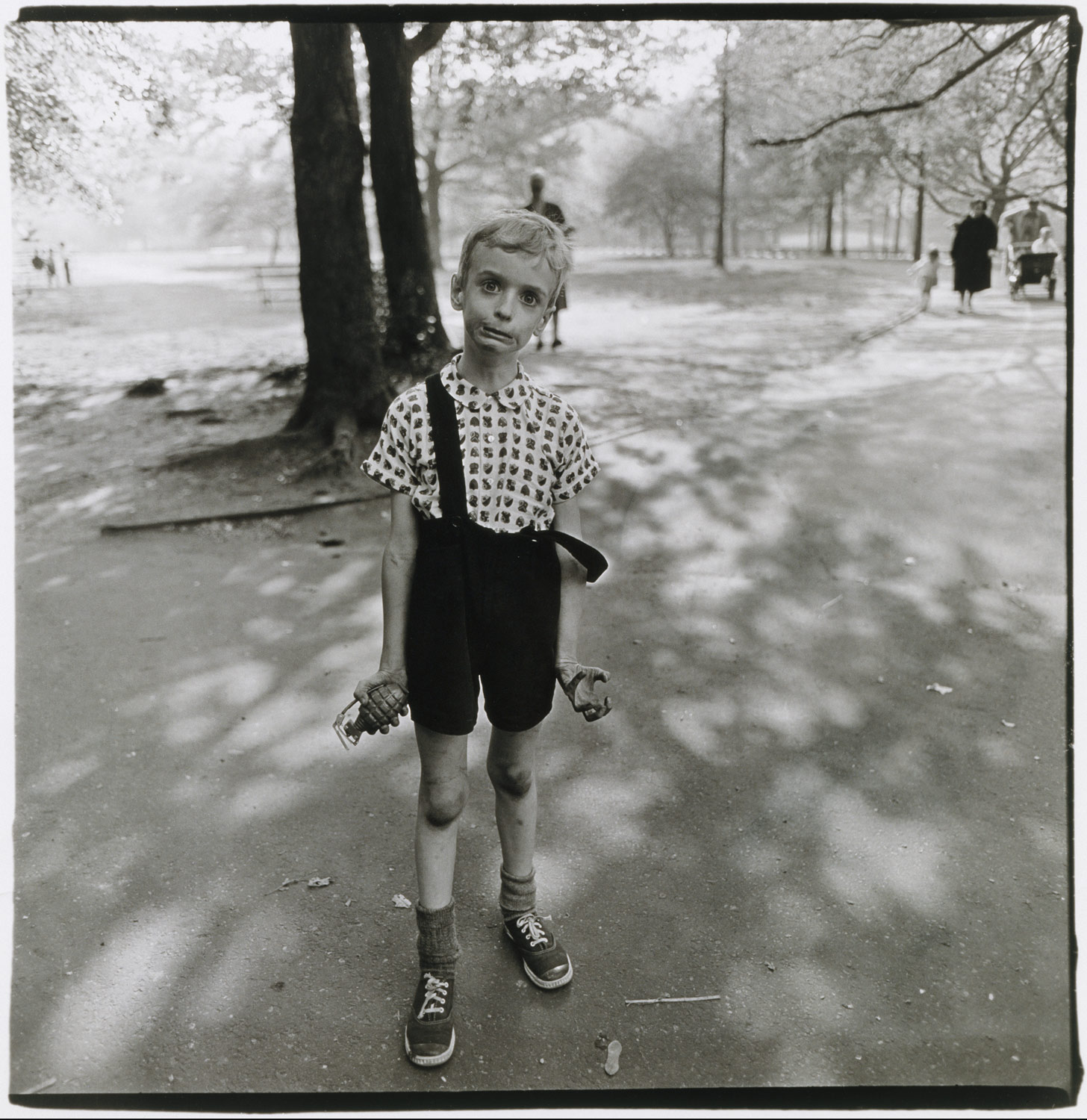
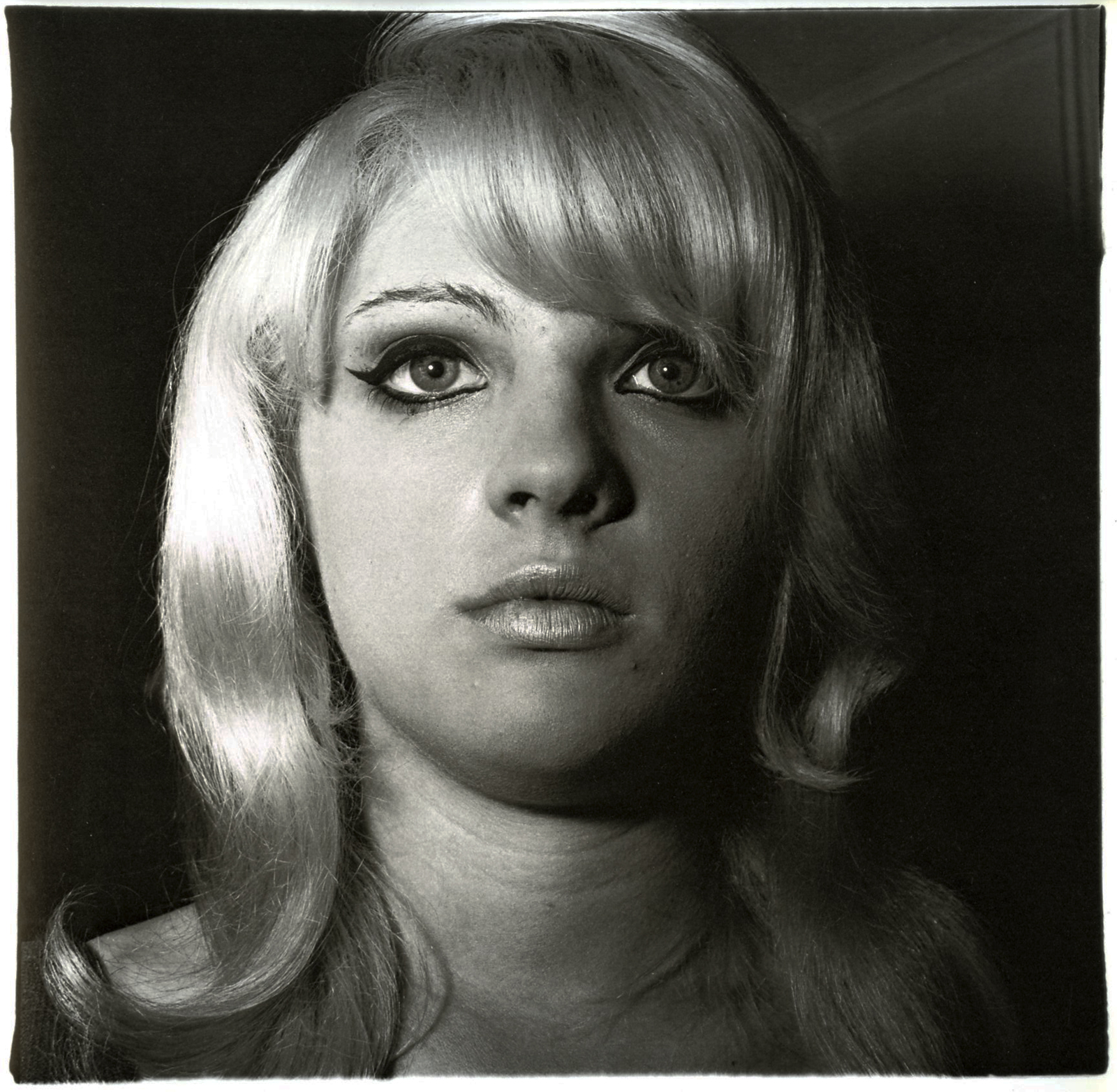
Arbus left the superficiality of fashion photography, taking a twin-lens reflex medium-format camera onto the streets. Unlike a 35mm camera held to the eye, a medium format camera is usually held at the waist. This allowed Arbus to look her subjects directly in the eye and build relationships while shooting, fundamentally changing the psychological dynamic of her portraits of marginalized individuals.
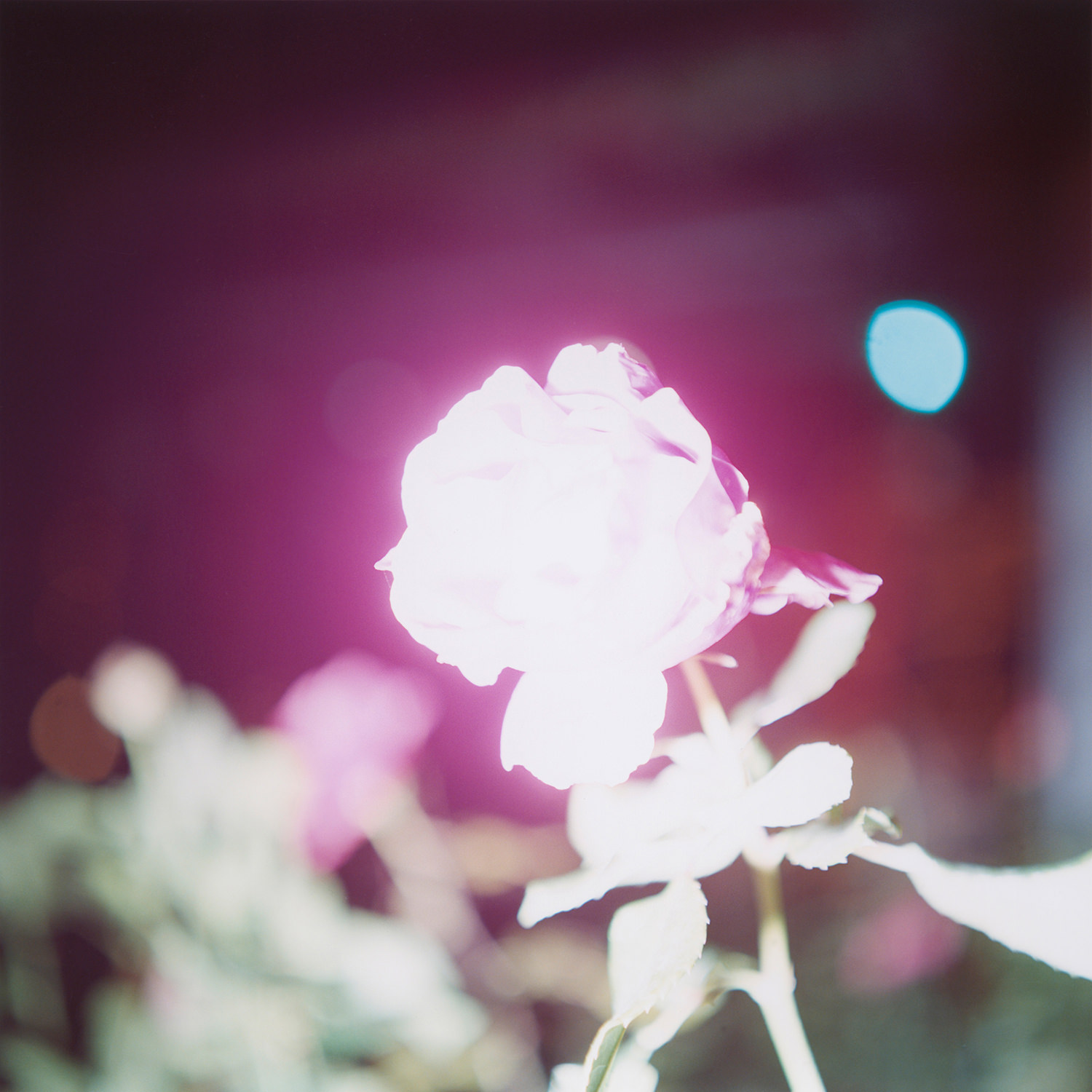
Rinko Kawauchi uses medium format to take simple, squarish photos with shallow depth of field, focusing on evocative concepts rather than strict visual descriptions.
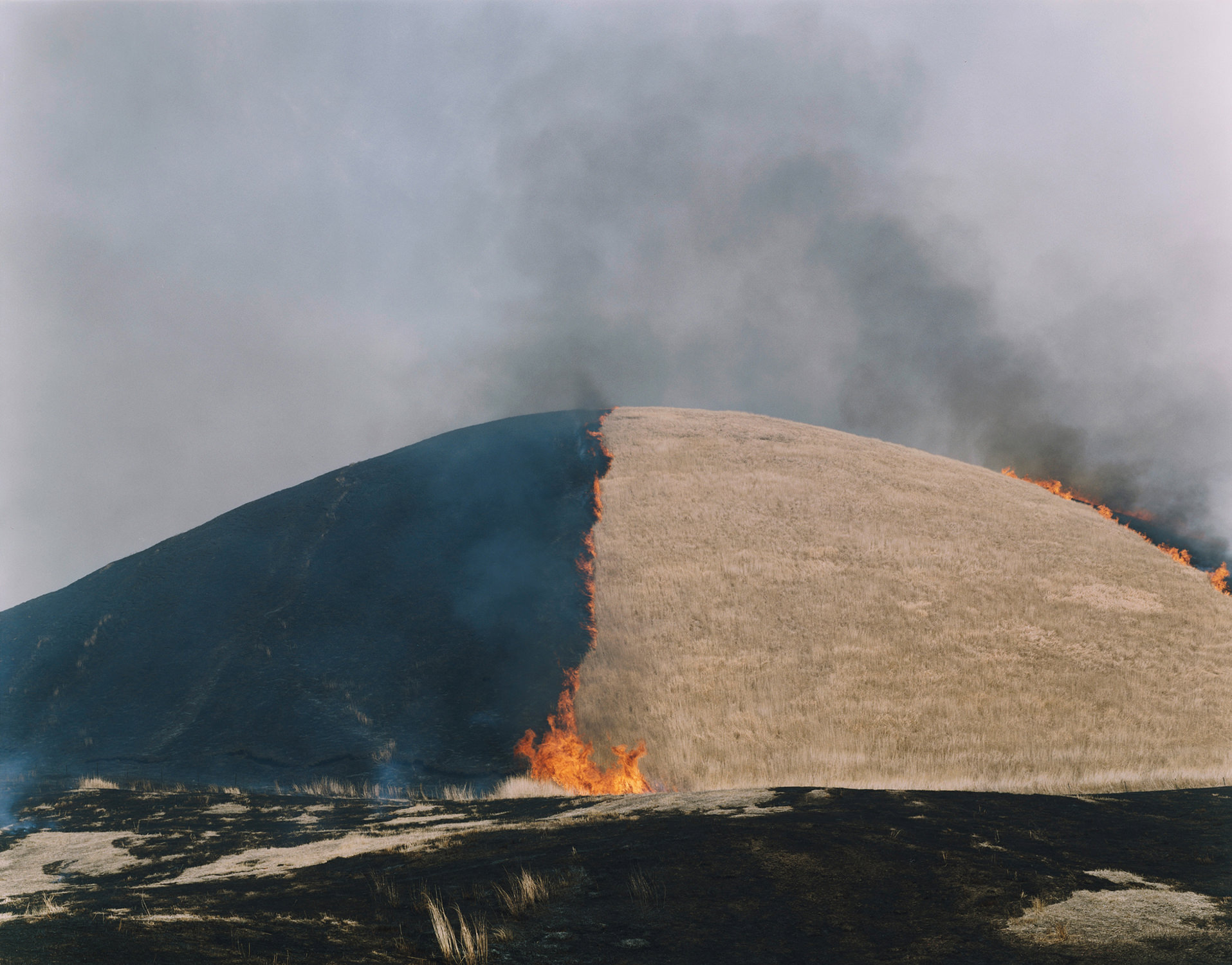

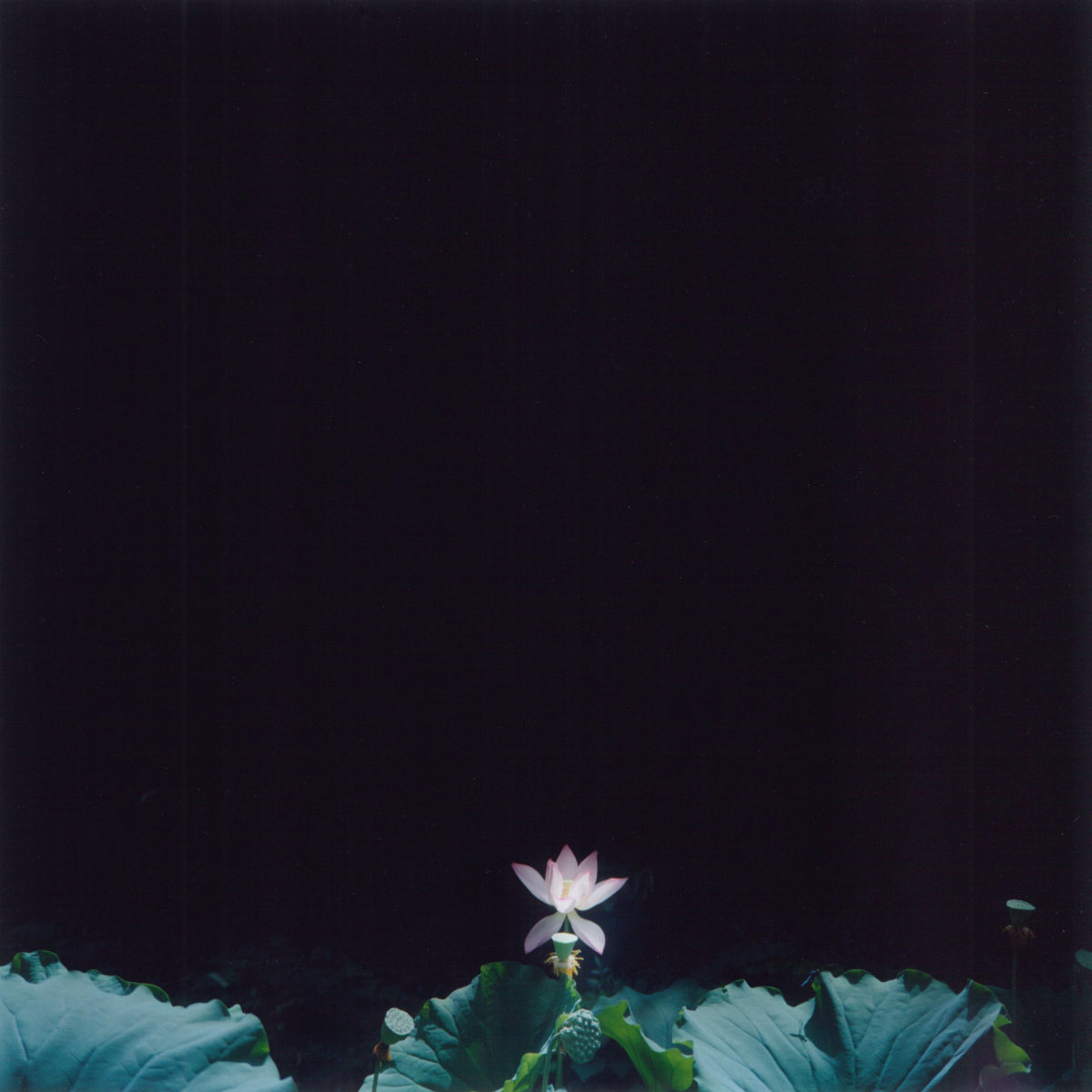
Choosing large format prioritizes extreme clarity, print flexibility, and a slow, deliberate process over convenience. Using a large format camera completely changes the dynamic between photographer and subject.
Large Format: Cameras that utilize massive individual sheets of film (e.g., 4x5, 8x10, or 20x24 inches).
The unwieldy nature of large format requires specific methodological approaches, whether traversing landscapes or building massive sets.
William Henry Jackson shot massive 20x24” plates of the Wild West in the 1880s using donkeys to haul gear, proving that the grandeur of the West was real to skeptical East Coast citizens.
Alec Soth traveled the Mississippi River with an 8x10 camera, using the slow, cumbersome device as a conversation starter; setting up the camera took so long that it acted as a shield for his shyness, allowing his subjects to relax and collaborate in the portrait process.
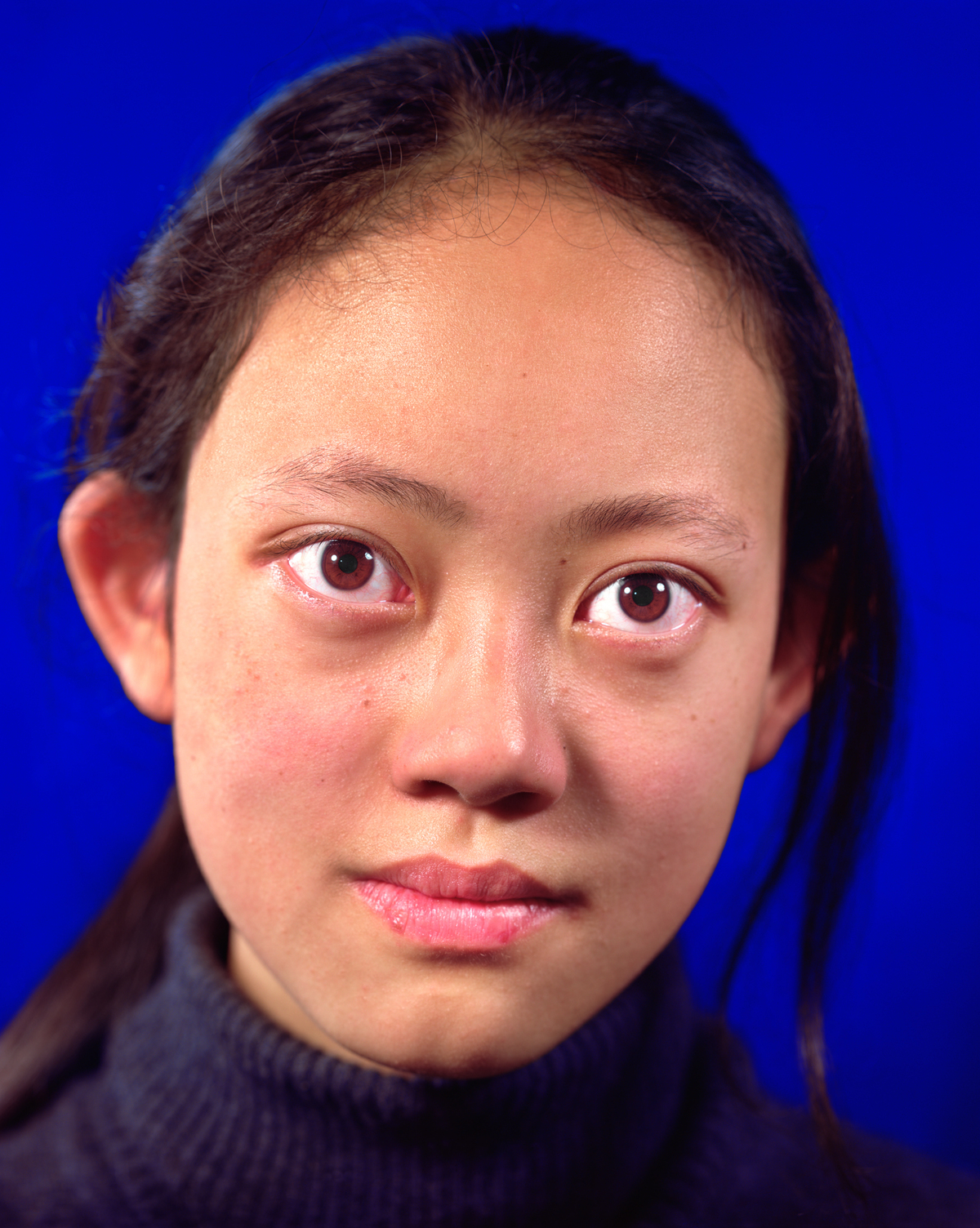
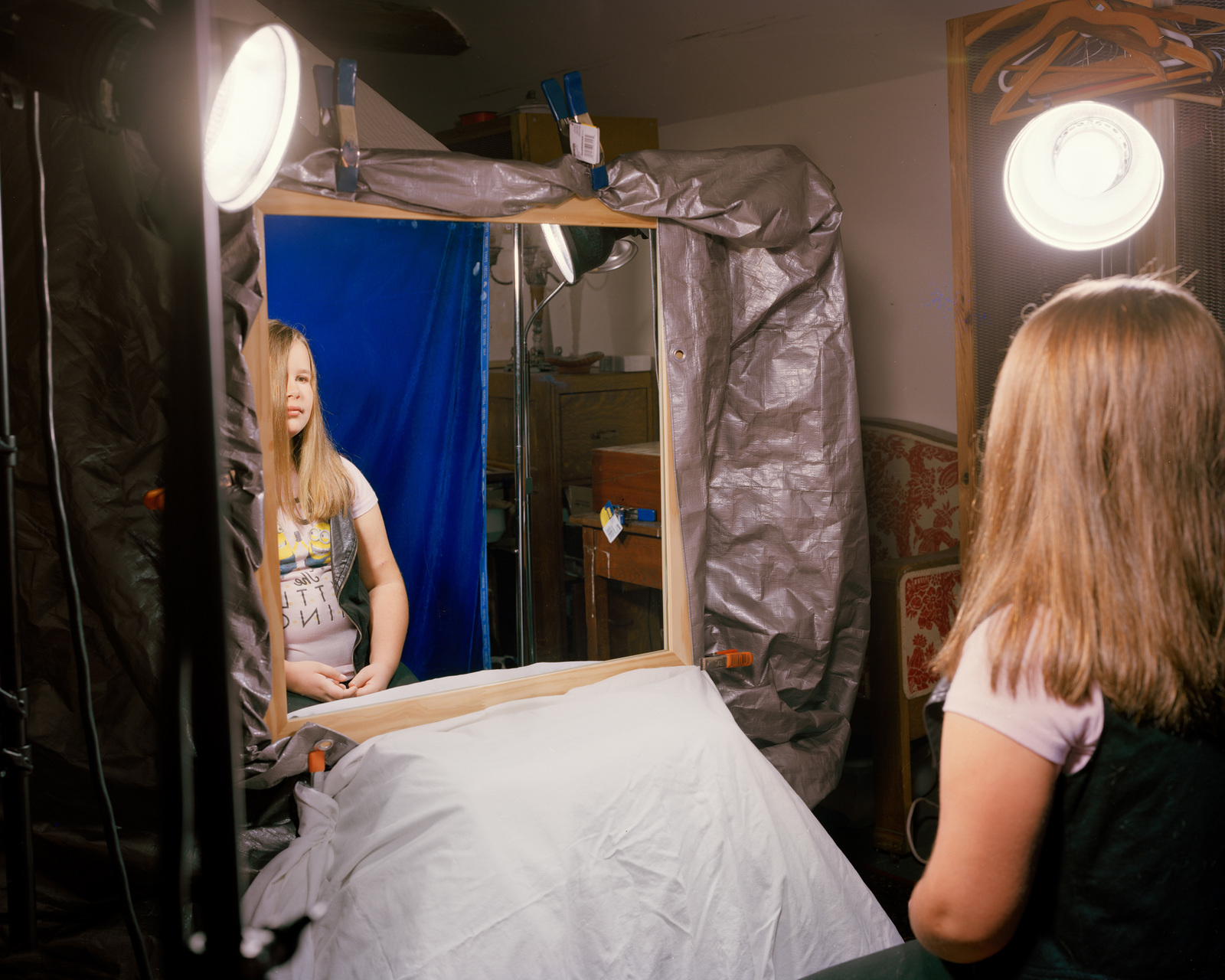
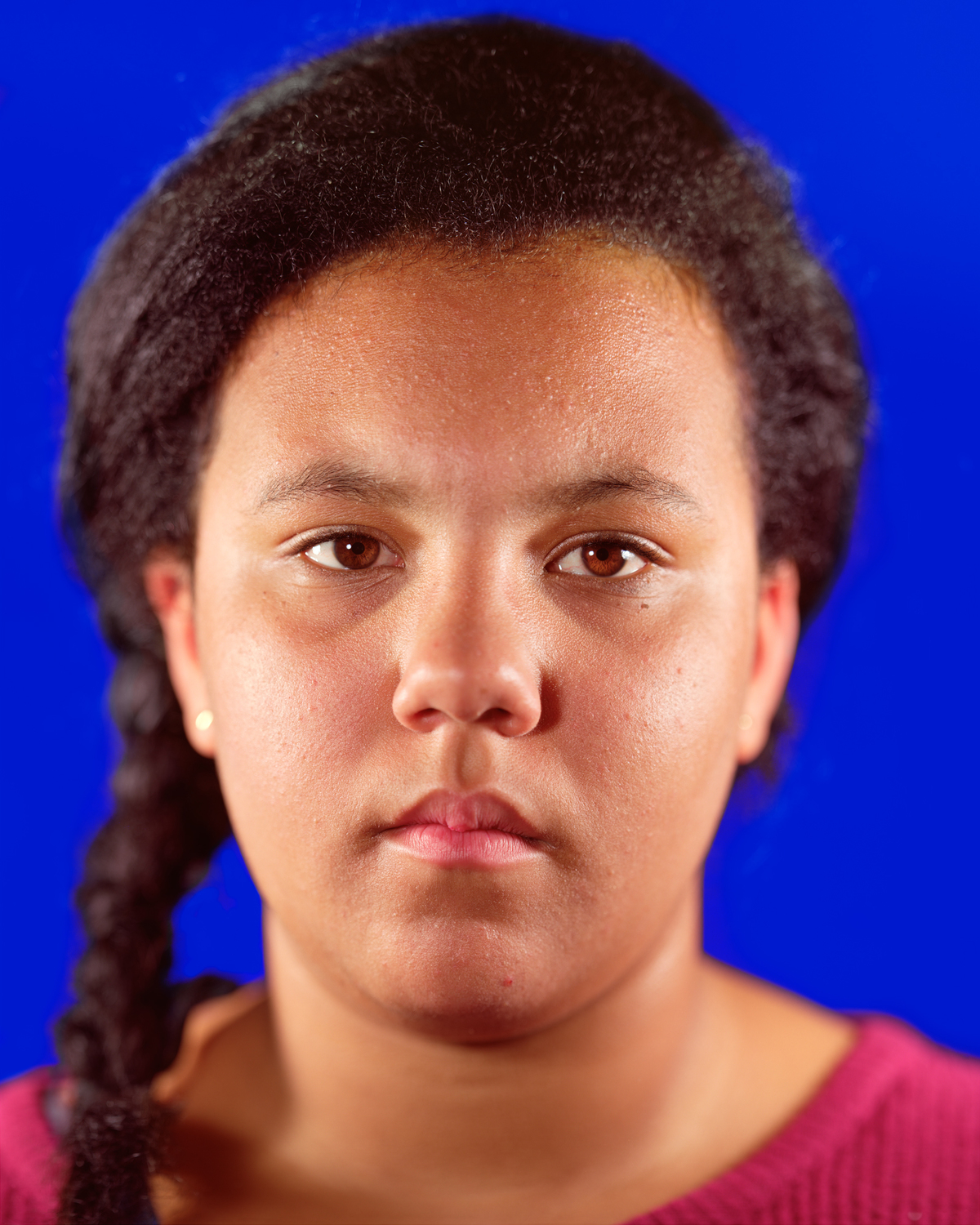
Eva O’Leary shoots 8x10 portraits of adolescent girls through a one-way mirror, shifting the power dynamic of the gaze.
Edward Weston used an 8x10 camera to shoot fine art still lifes (like Pepper #30) using incredibly small apertures (like f/64) and natural light, resulting in exposures that lasted up to 6 hours to achieve perfect sharpness from front to back.
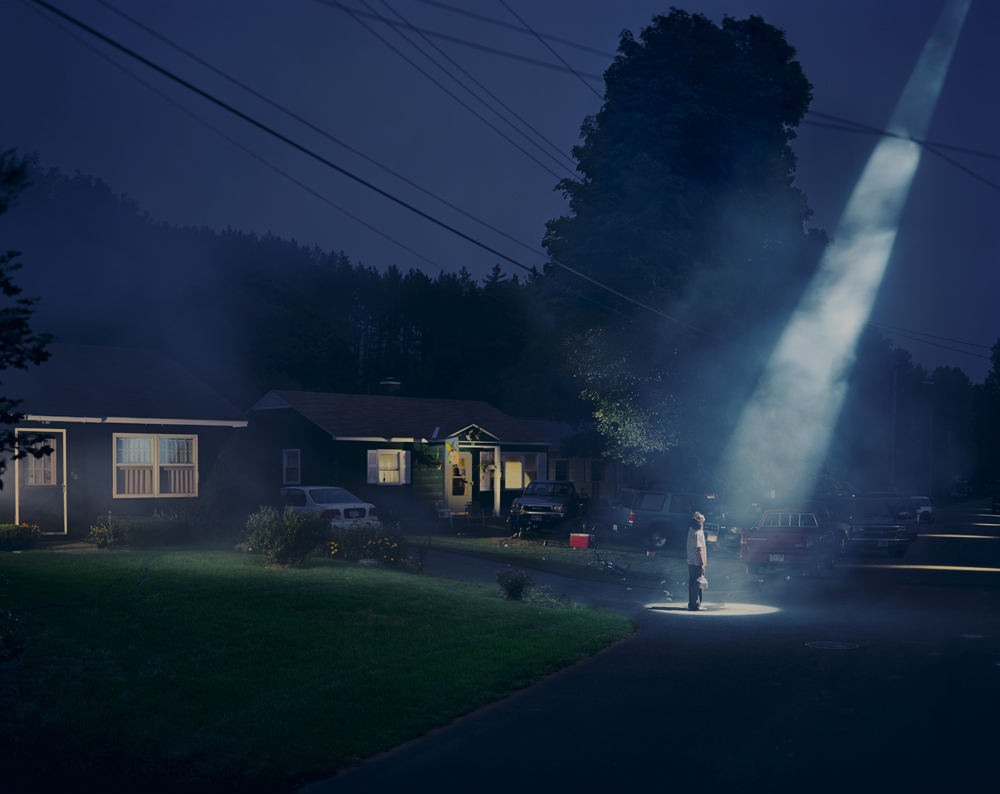
Gregory Crewdson creates cinematic setups with massive lighting crews, Hollywood actors, and street closures to tell a single, hyper-detailed story in a single large-format frame.
Introduced in the 1920s, the Leica camera was revolutionary because it was small enough to fit in a pocket, allowed for quick succession shooting, and didn’t require a tripod, thereby birthing modern photojournalism and street photography.↩︎
Unlike modern viewfinders, large format cameras project the image onto a piece of frosted glass at the rear of the camera. Because there are no internal mirrors to correct the optics, the image appears entirely upside down and backwards to the photographer.↩︎